

10 African Breakfast Recipes That Aren't Boring

If you're tired of the same bowl of cereal every morning, African breakfast recipes are about to completely change your mornings. We're talking bold spices, hearty textures, and flavors that actually wake you up — no lukewarm oatmeal in sight. Africa has 54 countries worth of breakfast culture, and not a single one of them settled for boring.
KEY TAKEAWAYS
- African breakfast recipes range from savory egg dishes to sweet fried doughs — there's a morning option for every mood
- Most of these come together in under 30 minutes with pantry staples
- Several double as weekend brunch showstoppers that will impress everyone at the table
- You don't need special equipment — just a pan, a pot, and the will to try something new
- These recipes work for meal prep too — make ahead and reheat for busy weekday mornings
Why African Breakfasts Hit Different
Ever wonder why you feel satisfied for hours after a real breakfast but starving by 10 am after toast? African breakfast recipes are built around whole ingredients — legumes, whole grains, eggs, and natural fats — that actually keep you full.
There's no filler here. Every dish brings flavor AND substance to the table, which is a combination most standard Western breakfasts fail at completely. These aren't just pretty plates — they're functional, cultural, and genuinely delicious morning fuel.
The 10 African Breakfast Recipes
1. Shakshuka (North African Spiced Eggs)

Shakshuka is arguably the most globally recognized African breakfast recipe — and once you make it, you'll understand exactly why it took over brunch menus worldwide. Eggs poach directly in a thick, spiced tomato and pepper sauce until the whites set and the yolks stay perfectly runny. It's dramatic, it's beautiful, and it takes about 25 minutes start to finish.
This dish originates across North Africa and the Middle East, with Tunisia and Libya both having strong claims to it. The base stays consistent everywhere: tomatoes, peppers, onion, garlic, and cumin. What changes is the heat level and the additions — some cooks add feta cheese, some add merguez sausage, some keep it completely plant-based.
What you need:
- 1 can crushed tomatoes
- 1 red bell pepper, diced
- 1 small onion, diced
- 4 garlic cloves, minced
- 4 eggs
- Spices: cumin, smoked paprika, cayenne, coriander, salt
- Fresh parsley or cilantro
- Crusty bread or pita for serving
How to make it:
- Sauté onion and pepper in olive oil for 5 minutes until soft
- Add garlic and spices, cook 1 minute until fragrant
- Pour in crushed tomatoes, stir well, and simmer 10 minutes
- Make 4 wells in the sauce with a spoon and crack an egg into each
- Cover and cook 5–7 minutes until whites are set but yolks stay runny
- Finish with fresh herbs and serve straight from the pan
Pro tip: Shakshuka tastes even better when you let the tomato sauce cook down really well before adding the eggs. Don't rush that step — the depth of flavor comes from patience.
2. Akara with Ogi (Black-Eyed Pea Fritters with Spiced Porridge)

This combination is the ultimate Nigerian breakfast duo and one of the most beloved morning meals across West Africa. Akara are crispy, savory black-eyed pea fritters — protein-packed, gluten-free, and deeply satisfying. Ogi (also called pap or akamu) is a smooth, lightly fermented corn or guinea corn porridge that balances the savory fritters with a slightly sour, creamy sweetness.
The contrast between the crispy hot fritters and the silky warm porridge is genuinely one of the best breakfast experiences out there. Vendors sell this combo at dawn all across Nigeria, and for good reason — it keeps you going all morning.
For the Akara:
- 2 cups dried black-eyed peas, soaked overnight and peeled
- ½ small onion
- 1 scotch bonnet pepper (or less to taste)
- Salt
- Oil for frying
For the Ogi:
- ½ cup ogi powder (or cornstarch as a shortcut)
- 2 cups water
- Sugar or honey and evaporated milk to taste
Making the Akara:
- Blend peeled black-eyed peas with onion and pepper until very smooth — add minimal water
- Beat the batter vigorously for 3–5 minutes to whip in air — this creates the fluffy texture
- Fry spoonfuls in 350°F oil for 3–4 minutes per side until deep golden
- Drain on paper towels and serve immediately
Making the Ogi:
- Mix the ogi powder with a little cold water to form a lump-free paste
- Bring remaining water to a boil
- Pour the paste into the boiling water while stirring constantly
- Cook for 3–5 minutes until thick and smooth
- Sweeten to taste and add evaporated milk
The key to great Akara: Beating the batter is non-negotiable. Skip this step and you get dense, heavy fritters. Do it properly, and you get light, fluffy perfection.
RELATED BLOG POST: 15 Easy African Recipes for Beginners
3. Injera with Scrambled Eggs and Berbere Butter

Injera is Ethiopia's famous sourdough flatbread — spongy, slightly sour, and cooked only on one side so the surface stays bubbly and porous. For breakfast, it pairs beautifully with simple scrambled eggs cooked in niter kibbeh (Ethiopian spiced clarified butter) or regular butter with a pinch of berbere spice.
This breakfast feels special without requiring much effort. The injera itself takes 2 days to ferment, but you can buy it ready-made at Ethiopian restaurants or African grocery stores. The eggs take 5 minutes. Combined, you get a breakfast that tastes like it took real skill.
What you need:
- 2–3 pieces injera (store-bought works perfectly)
- 4 eggs
- 2 tbsp butter
- 1 tsp berbere spice (or a mix of smoked paprika, cayenne, cumin, and coriander)
- Salt and black pepper
- Fresh tomato and onion on the side
How to make it:
- Melt butter in a pan over medium-low heat
- Add berbere spice and let it bloom in the butter for 30 seconds
- Crack in eggs and scramble gently — low and slow for the creamiest result
- Season with salt and pepper
- Serve on top of or beside injera with fresh tomato and onion
IMO, the berbere butter is the real star here. Even a tiny pinch transforms regular scrambled eggs into something completely different.
4. Boflot (Ghanaian Fried Dough)

Boflot is Ghana's beloved breakfast fried dough — slightly denser than Nigerian Puff Puff, often flavored with nutmeg or ginger, and traditionally served with tea or spiced porridge in the morning. Think of it as a fried dough ball that sits somewhere between a donut and a soft dinner roll in texture.
Street vendors sell these hot from large pots of oil starting at dawn, and the smell alone is enough to pull you out of bed. They're best eaten fresh, slightly crispy on the outside and pillowy inside, with a warm cup of Milo or ginger tea alongside.
What you need:
- 2 cups all-purpose flour
- 1 tsp instant yeast
- 3 tbsp sugar
- ¼ tsp nutmeg
- ½ tsp salt
- ¾ cup warm water
- Oil for deep frying
How to make it:
- Mix flour, yeast, sugar, nutmeg, and salt
- Add warm water gradually and mix into a smooth, slightly sticky batter
- Cover and let rise 45 minutes until doubled
- Heat the oil to 350°F and drop small balls of batter into the oil
- Fry 3–4 minutes until deep golden, turning for even color
- Drain and serve warm
5. Mandazi (East African Fried Dough)

Mandazi is East Africa's answer to the donut — slightly sweet, lightly spiced with cardamom and coconut, and shaped into triangles or circles before frying. Kenya, Tanzania, and Uganda all claim it, and you'll find it at breakfast tables and street stalls across the entire region, served with chai tea.
What makes Mandazi distinct from other African fried doughs is the cardamom and coconut milk in the dough. These two ingredients give it a fragrance and flavor that sets it completely apart — you can smell it frying from down the street.
What you need:
- 2 cups all-purpose flour
- 1 tsp instant yeast
- ¼ cup sugar
- ½ tsp ground cardamom
- ¼ cup coconut milk
- ¼ cup warm water
- 1 egg
- Pinch of salt
- Oil for frying
How to make it:
- Combine flour, yeast, sugar, cardamom, and salt
- Mix in coconut milk, warm water, and beaten egg until a soft dough forms
- Knead for 5 minutes until smooth
- Rest covered for 1 hour
- Roll out to ½ inch thickness and cut into triangles or circles
- Fry at 350°F for 2–3 minutes per side until golden brown
Serve with: Masala chai or black tea with lots of milk and sugar. That combination is the whole Mandazi experience.
6. Ful Medames (Egyptian Fava Bean Breakfast)

Ful Medames is Egypt's national breakfast dish and one of the oldest recipes in human history — people have been eating some version of this for over 5,000 years. Slow-cooked fava beans seasoned with olive oil, lemon, cumin, and garlic create a hearty, protein-rich breakfast that keeps you full all morning long.
What Ful lacks in visual drama, it absolutely makes up for in flavor and sustenance. This is a working breakfast — practical, filling, and genuinely satisfying in a way that granola bars could never compete with. Served with warm pita bread and sliced tomato, it's a complete meal.
What you need:
- 1 can fava beans (or dried, soaked overnight and cooked)
- 3 tbsp olive oil
- 3 garlic cloves, minced
- Juice of 1 lemon
- 1 tsp cumin
- Salt and black pepper
- Fresh parsley
- Diced tomato and pita for serving
How to make it:
- Drain and rinse fava beans, reserving a little liquid
- Heat olive oil in a pan, sauté garlic for 1 minute
- Add fava beans and a splash of reserved liquid
- Mash partially — you want a chunky, not smooth, texture
- Season with cumin, lemon juice, salt, and pepper
- Drizzle extra olive oil over the top and finish with fresh parsley
- Serve with warm pita, sliced tomato, and hard-boiled egg if desired
RELATED BLOG POST: 20 West African Snacks You Need to Try
7. Tatale (Ghanaian Plantain Pancakes)

Tatale are Ghanaian plantain pancakes made from mashed overripe plantains mixed with ginger, chili, and a small amount of flour. They're pan-fried in a thin layer of oil until golden and slightly crispy at the edges. Sweet, spicy, and savory at the same time — this is the kind of breakfast that makes you rethink everything you thought a pancake could be.
The recipe couldn't be simpler, and the result couldn't be more satisfying. Use your ripest plantains — the blacker the better for Tatale. The natural sugars in overripe plantains caramelize beautifully in the pan and create a depth of flavor that underripe plantains simply can't deliver.
What you need:
- 2 very ripe plantains (yellow-black or fully black)
- 2 tbsp flour
- 1 tsp fresh grated ginger
- ½ small chili, finely minced (adjust to taste)
- Small amount of diced onion
- Salt
- Oil for pan-frying
How to make it:
- Peel and mash plantains completely with a fork
- Mix in flour, ginger, chili, onion, and salt until combined
- Heat a thin layer of oil in a pan over medium heat
- Drop heaped spoonfuls of batter into the pan and flatten slightly
- Cook 3–4 minutes per side until deep golden and slightly crispy
- Serve immediately — Tatale loses its edge when it cools
8. Mbaazi (Kenyan Coconut Pigeon Peas)
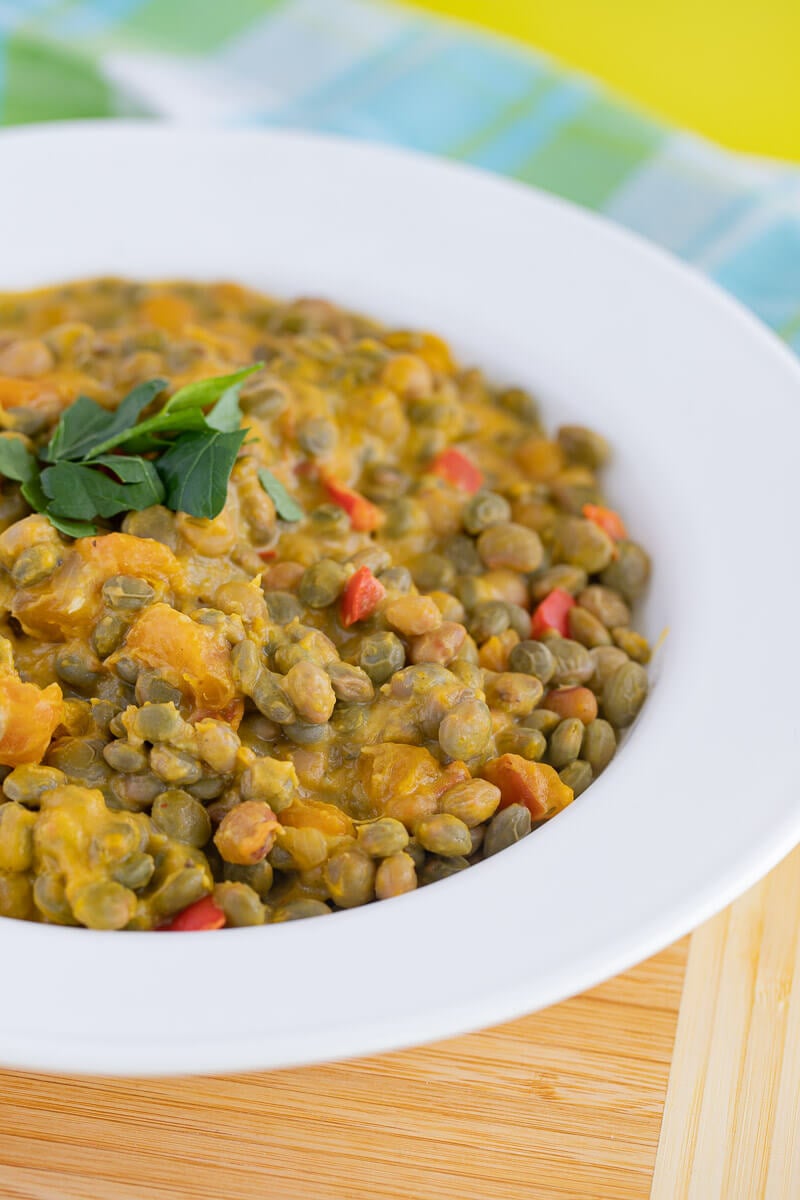
Mbaazi is a Swahili Coast breakfast staple from Kenya and Tanzania — pigeon peas simmered in rich coconut milk with spices until creamy and deeply flavorful. It's typically served alongside mandazi or chapati for breakfast, and the combination of sweet coconut, earthy peas, and warm spices is genuinely one of the most comforting morning meals you'll find anywhere.
This dish proves that a plant-based breakfast doesn't have to compromise on richness or satisfaction. The coconut milk creates a natural creaminess that makes Mbaazi feel indulgent even though the ingredients are completely humble.
What you need:
- 1 can pigeon peas (or dried, soaked, and cooked)
- 1 can full-fat coconut milk
- 1 small onion, diced
- 2 garlic cloves, minced
- 1 tsp cumin
- Salt and pepper
- Fresh cilantro
How to make it:
- Sauté onion and garlic in oil until soft, about 5 minutes
- Add cumin and cook 1 minute until fragrant
- Add drained pigeon peas and coconut milk
- Simmer uncovered for 15–20 minutes until the sauce thickens
- Season with salt and pepper, finish with fresh cilantro
- Serve alongside mandazi or chapati
9. Hausa Koko with Koose (Spiced Millet Porridge with Fritters)

Hausa Koko is a spiced millet porridge from northern Ghana and Nigeria that forms the ultimate breakfast pairing with Koose — the Ghanaian version of Akara (black-eyed pea fritters). The porridge gets its warmth from ginger, cloves, and pepper, and balances the crispy, savory fritters with a hot, slightly spicy sweetness. :)
This combo is sold everywhere at dawn in Ghana and northern Nigeria, and it's one of those culturally significant breakfast pairings that's survived for good reason — it works perfectly on every level. The contrast of textures and temperatures between hot porridge and freshly fried fritters is hard to beat.
For the Hausa Koko:
- 1 cup millet flour (or guinea corn flour)
- 3 cups water
- 1 tsp fresh ginger juice
- ¼ tsp ground cloves
- ¼ tsp black pepper
- Sugar to taste
Making the porridge:
- Mix millet flour with 1 cup cold water until smooth
- Bring the remaining 2 cups of water to a boil with ginger juice, cloves, and pepper
- Pour the flour mixture slowly into boiling water while stirring constantly
- Cook 5–7 minutes until thick and smooth
- Sweeten to taste and serve hot alongside freshly fried Koose
10. Puff Puff (Nigerian Sweet Fried Dough)

Puff Puff might be the most universally beloved West African breakfast treat — light, golden, airy fried dough balls with a slight sweetness that works equally well as breakfast, snack, or dessert. Nigerians eat these at celebrations, at street stalls, and at the breakfast table with hot tea, and once you try them fresh from the oil, you'll understand the devotion.
The secret to great Puff Puff is the yeast rise and the oil temperature. Get both right and you get pillowy, golden, perfect spheres. Rush the rise or get the oil wrong and you get dense, greasy disappointment — and nobody has time for that in the morning.
What you need:
- 2 cups all-purpose flour
- 1 tsp instant yeast
- 3 tbsp sugar
- ½ tsp salt
- ¾ cup warm water
- Oil for deep frying
- Powdered sugar for dusting (optional)
How to make it:
- Mix flour, yeast, sugar, and salt
- Add warm water and mix into a smooth, sticky batter
- Cover with a clean cloth and let rise 45–60 minutes until doubled
- Heat oil to 350°F
- Wet your hand and pinch off small balls of batter, dropping gently into the oil
- Fry 3–4 minutes, turning occasionally, until deep golden all over
- Drain on paper towels and dust with powdered sugar if desired
- Serve immediately — fresh Puff Puff is in a completely different league from cold Puff Puff
RELATED BLOG POST: 10 African Breakfast Recipes That Aren't Boring
Tips for Making African Breakfasts at Home
Making these recipes successfully comes down to a few consistent principles:
- Don't rush fermentation or rising time — Injera, Puff Puff, Boflot, and Mandazi all need time to develop their texture and flavor. Set them up the night before if you're making them for breakfast
- Oil temperature is everything for fried dishes — Use a thermometer and keep it between 325–375°F. Too cool, and you get oily, heavy results. Too hot and the outside burns before the inside cooks
- Season aggressively — African breakfast recipes don't shy away from spice and salt. Taste as you go and adjust confidently
- Use the ripest plantains possible — For Tatale especially, overripe black-spotted plantains deliver a depth of flavor that firmer plantains simply can't match
- Shop at African or international grocery stores — Ingredients like millet flour, pigeon peas, ogi powder, berbere spice, and injera are much more affordable and authentic from specialty stores than mainstream supermarkets
Conclusion
African breakfast recipes prove that mornings don't have to be repetitive or boring. From the smoky, spiced simplicity of Shakshuka to the crispy-meets-creamy combination of Akara and Ogi, every dish on this list brings something genuinely exciting to the breakfast table.
Pick one recipe this weekend and try it. Start with Shakshuka if you want something quick and impressive, or go for Puff Puff if you have a little extra morning time and want something the whole family will love. Either way, boring breakfasts are officially behind you.
FAQ
What is a traditional African breakfast?
Traditional African breakfasts vary widely by region. In West Africa, common morning meals include Akara (black-eyed pea fritters) with Ogi porridge, Puff Puff with tea, or Hausa Koko spiced porridge with Koose fritters. North African breakfasts often feature Shakshuka (spiced eggs in tomato sauce) or Ful Medames (fava beans with olive oil and lemon). East Africa favors Mandazi fried dough with chai tea and Mbaazi coconut pigeon peas. What all African breakfasts share is an emphasis on whole ingredients and bold, satisfying flavors.
Are African breakfast recipes difficult to make?
Most African breakfast recipes are surprisingly beginner-friendly. Shakshuka, Tatale, Ful Medames, and the Injera egg scramble all come together in under 25 minutes with basic cooking skills. Fried dishes like Puff Puff, Akara, and Mandazi require a little more attention to oil temperature, but the technique is straightforward. The most complex recipe on this list is Injera, which needs 1–2 days of fermentation — though store-bought injera sidesteps this entirely.
What ingredients do I need for African breakfast recipes?
Most African breakfast recipes use accessible pantry staples — flour, eggs, canned tomatoes, canned legumes, onion, garlic, and basic spices. Specialty ingredients like millet flour, ogi powder, berbere spice, pigeon peas, and teff flour are available at African grocery stores, international supermarkets, and online retailers. Many recipes also use plantains, which you can find at Caribbean or Latin grocery stores at good prices.