

20+ Best Black History Books for Kids

Black history isn't just something we squeeze into February—it's a conversation that should happen all year long in our homes and classrooms. And honestly? Black history books for kids are one of the best ways to start those conversations.
I've watched my own children light up when they see themselves in stories or discover someone who looks like them doing amazing things. That moment of recognition matters more than we sometimes realize.
Why These Books Are More Than Just Stories

Here's the thing about children's books focused on Black history: they do double duty. For Black kids, they're mirrors reflecting back their own potential and heritage. For all kids, they're windows into experiences and perspectives that might be different from their own.
I've seen it in action—kids who read diverse books develop more empathy, ask better questions, and just generally understand the world in a richer way. They start to see that history isn't just about a handful of famous names, but about regular people doing extraordinary things.
Start Here: Two Books That Should Be on Every Shelf
If you're wondering where to begin (and trust me, I've been there staring at endless book lists feeling overwhelmed), let me make this easy for you.

The ABC's of My Black History by Lyndsey Crawford is honestly brilliant in its simplicity. The A-Z format makes it accessible for little ones just learning their letters, but the content grows with your child.
My friend's kindergartener loves pointing out the letters, while her fourth-grader is actually reading and absorbing the historical information.
Each letter introduces something meaningful—a person, a concept, a moment that shaped African American history.
It's comprehensive without being overwhelming, which is exactly what you need when you're trying to build that foundation of cultural knowledge.
And here's what I really appreciate: it covers the struggles, yes, but it equally celebrates the triumphs and contributions. Kids need both parts of the story.


Vibrant Visions: African American Heroes A-Z, also from Lyndsey Crawford, takes things a step further by putting faces and stories to the history. This one spotlights actual people—activists, artists, scientists, scholars—who've made their mark on the world.
What I love about this book is how it shows kids the incredible range of Black excellence. It's not just the few names everyone knows.
It's inventors and teachers and musicians and athletes and changemakers from every field you can imagine. When kids see that diversity of achievement, it opens up their sense of what's possible.
Both books are priced at $14.99, which feels pretty reasonable for something your family will pull off the shelf for years to come.
They make great gifts too—I've given them for birthdays, back-to-school, and yes, as Black History Month presents that actually get used beyond February.
Building Out Your Collection
Once you've got those two as your foundation, you can start adding books that dive deeper into specific topics or time periods. Here are some favorites that have worked well in my household and in classrooms I've worked with:
For the Littlest Readers (Ages 3-7)

Last Stop on Market Street by Matt de la Peña is one of those books that sneaks up on you.
It's about a grandmother and grandson on a bus ride, but it's really about finding beauty in unexpected places and appreciating what you have.
My nephew requests this one constantly.

Tar Beach by Faith Ringgold is just gorgeous. The illustrations look like quilts (because they are!), and the story of Cassie dreaming she can fly over 1930s Harlem is pure magic.
It's been around since 1991 and it's still hitting home with kids today.

I Am Enough by Grace Byers is perfect for building up little ones' confidence.
Simple, powerful message about self-worth that every child needs to hear.

My Hair is Beautiful by Shauntay Grant celebrates natural hair with so much joy. If you've got a kid learning to love their curls and coils, this one's a must-have.
For Elementary Kids (Ages 6-10)

Schomburg: The Man Who Built a Library by Carole Boston Weatherford tells the story of a man who was told in school that Black people had no history worth preserving.
So what did he do? He spent his life proving them wrong by building one of the world's most important collections of Black history. Talk about turning pain into purpose.

Hidden Figures (Young Readers' Edition) by Margot Lee Shetterly—if your kids saw the movie, they'll love the book.
If they haven't, even better. These women were literal rocket scientists helping NASA send people to space, and most people had never heard their names until recently.

I Am Ruby Bridges is Ruby telling her own story of being six years old and integrating an all-white school in New Orleans.
Having the first-person perspective makes it so much more powerful for kids to connect with.

Mae Among the Stars by Roda Ahmed follows Mae Jemison's childhood dreams of becoming an astronaut. Spoiler: she did it, becoming the first Black woman in space.
For Middle Schoolers (Ages 8-12)

One Crazy Summer by Rita Williams-Garcia is one of those books kids remember forever.
Three sisters spending summer 1968 in Oakland with their mother who abandoned them, attending a Black Panther day center—it's funny, it's heartbreaking, it's eye-opening.

Roll of Thunder, Hear My Cry by Mildred D. Taylor is a classic for a reason.
The Logan family in Depression-era Mississippi fighting to keep their dignity and their land—it's heavy stuff, but told in a way that middle schoolers can handle and need to read.

Freedom in Congo Square by Carole Boston Weatherford does something beautiful by showing how enslaved people in Louisiana looked forward to Sundays in Congo Square as their one taste of freedom each week.

Let the Children March by Monica Clark-Robinson tells the story of the kids (yes, kids!) who marched in Birmingham in 1963.
When your children realize that people their own age were on the front lines of the Civil Rights Movement, it changes something in them.
For Teens (Ages 12+)
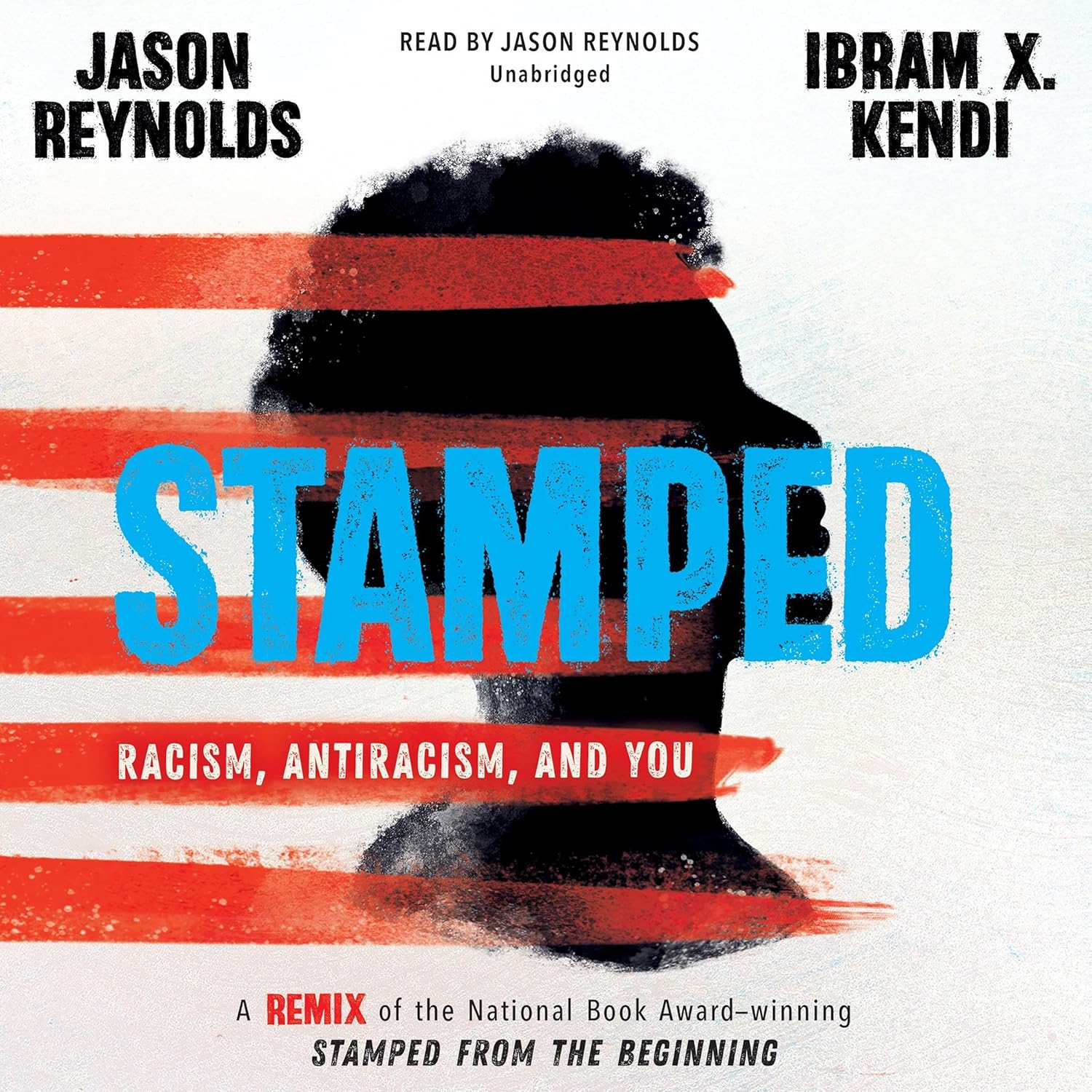
Stamped: Racism, Antiracism, and You by Jason Reynolds and Ibram X. Kendi takes a dense academic book and makes it accessible for teens.
My teenager actually finished this one, which is saying something.

The Black Kids by Christina Hammonds Reed is set during the 1992 Rodney King riots and tackles what it's like being one of the few Black students in a white school when racial tensions explode. Really relevant to conversations happening today.
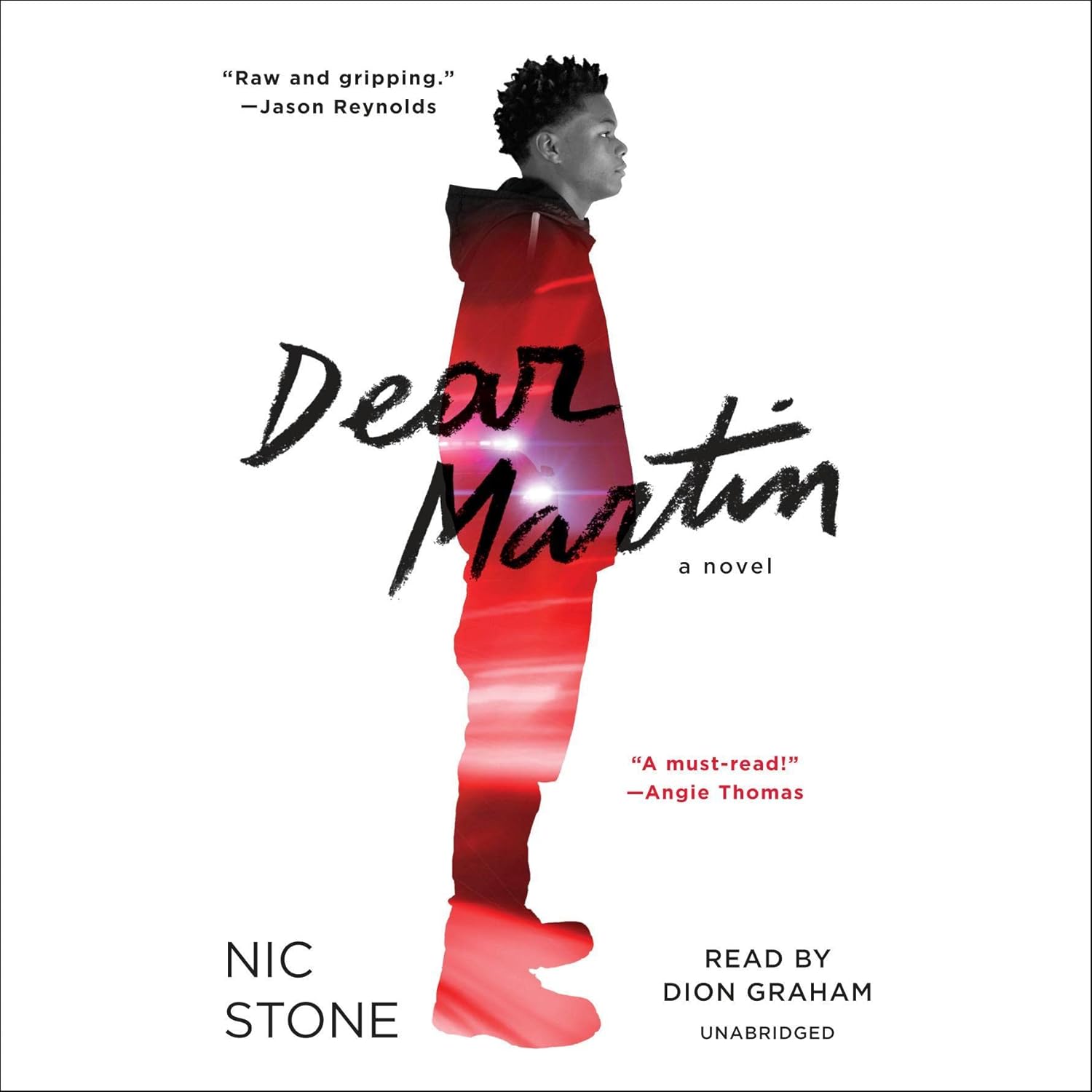
Dear Martin by Nic Stone has a teen writing letters to Dr. Martin Luther King Jr. as he processes being racially profiled. It's tough but important reading.
Board Books for the Babies

Young, Gifted and Black by Jamia Wilson features 52 Black heroes and even includes a mirror so babies can see themselves as future changemakers. How perfect is that?

Little Leaders: Bold Women in Black History by Vashti Harrison is bright, engaging, and introduces some incredible women your toddler should know about.
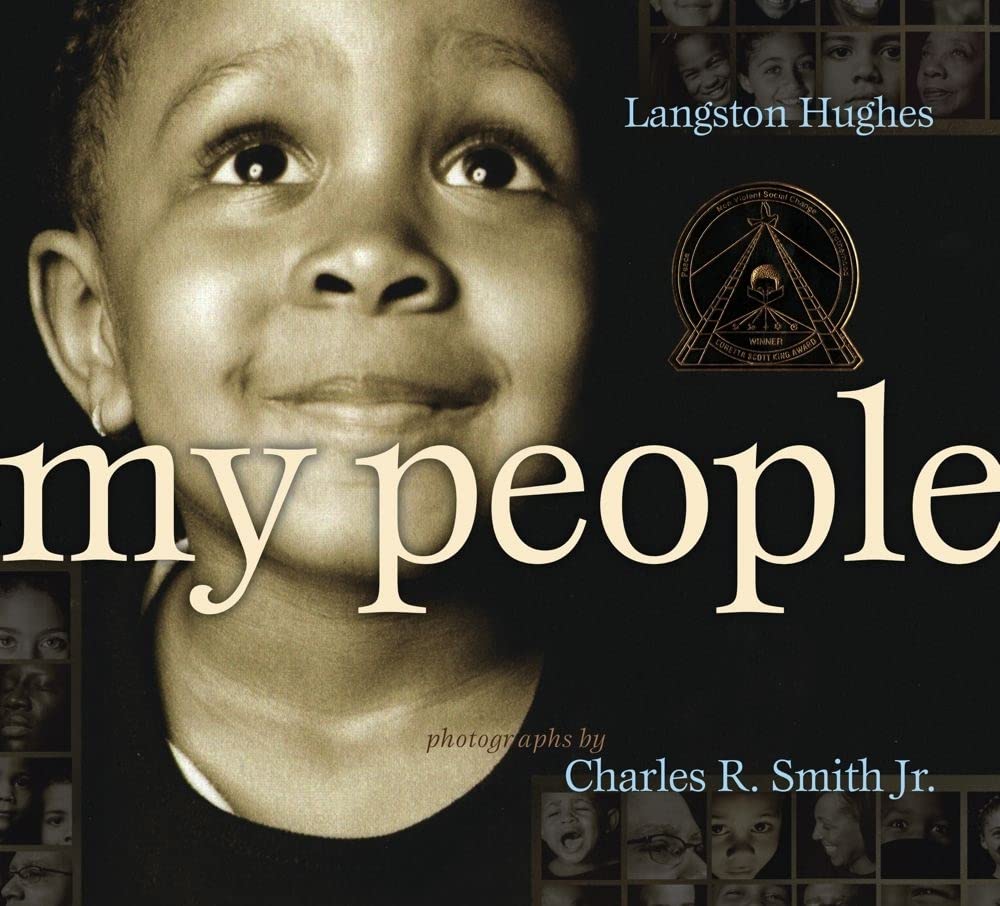
My People pairs Langston Hughes' poetry with beautiful photographs. Getting kids familiar with his words early on is a gift that keeps giving.
Making It Work in Real Life
Look, I get it. Building a home library takes time and money. You don't need to buy everything at once. Start with The ABC's of My Black History and Vibrant Visions: African American Heroes A-Z because they'll give you the most bang for your buck. They're comprehensive, they're reusable as kids grow, and they create natural opportunities for conversation.
Then add one or two more books as birthdays roll around, or when your child shows interest in a particular person or time period.
Hit up your local library for the rest. Librarians love helping families find diverse books, and most libraries are actively working to build their collections in this area.
For teachers, these books aren't just February displays. They belong in your classroom library year-round, getting worn and loved and read over and over.
When kids see that Black history is always available, not just during one designated month, it normalizes the idea that this history is everyone's history.
The Real Impact
At the end of the day, these books do more than teach facts. They shape how kids see themselves and each other. They plant seeds that grow into understanding, empathy, and pride.
I've watched Black children stand taller after seeing themselves represented as brilliant and capable. I've watched kids of all backgrounds develop a more complete understanding of American history. I've seen curiosity replace ignorance, and appreciation replace assumptions.
That's the power of getting the right books into children's hands. Start with a solid foundation, build from there, and watch what happens. The conversations you'll have, the questions kids will ask, the connections they'll make—that's where the magic happens.
And honestly? We adults learn just as much from these books as our kids do. Maybe more.